|
|
|
|
|
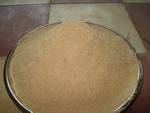
Photo1. Rice bran |
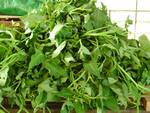
Photo 2. Water spinach |
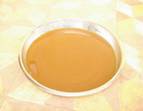
Photo 3. Palm syrup |
|
|
|
|
|
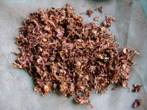
Photo 4. Taro silage |
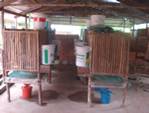
Photo 5. Metabolism cage |
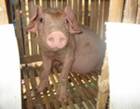
Photo 6. Cross-breed pig |
| Contents | MEKARN MSc 2008-10; Miniprojects |
The experiment was carried out in the Kampong Cham National School of Agriculture (KCNSA), Cambodia, from 11th August to 10th September, 2008. Three cross-breed pigs at the average weight of 12 kg were allocated at random to 3 diets within a 3*3 Latin square with the period of 10 days (5 days for adaptation and 5 days for the trial) for each. The aim of this present research was to study the effect of Taro silage in diets based on palm syrup, rice bran and water spinach on nitrogen (N) retention in pigs. The treatments were levels of taro silage (5%, 10% and 15% replacing water spinach) of feed intake in DM and the total feed offer was about 3 kg DM per 100 live weight.
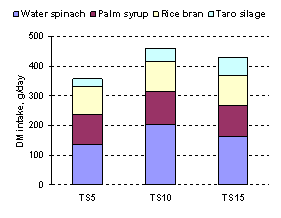
The total DM intake by pig which fed 10% of taro silage was higher (459.1 g/day) than the pig fed 15% and 5% (357.9 g/day) of taro silage. The DM intake of dietary ingredients seems to be higher for pigs fed 10% of taro silage. However, this amount was quite similar to the pigs fed 15% of taro silage while the pig fed 5% of taro silage was the lowest. In the different way, the intake of DM in g/kg of body weight for pigs fed 15% of taro silage was the highest (40.3g/kg BW) while the lowest (28.4g/kg BW) was the pig fed 5% of taro silage.
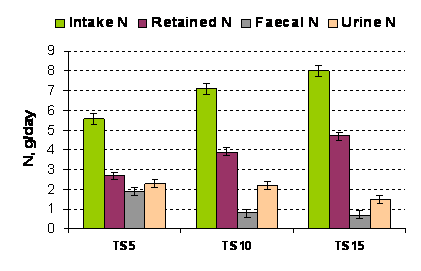
The apparent digestibility of crude protein in the diet of pigs fed 10% of taro silage seems to be higher (83.7%) but similar to pigs fed 15% of taro silage about 82.2%. There were significant effects of N intake on urine N, faecal N and N retention. After adjusting these variables by covariance for N intake, there were significant effects of the level of taro silage on urine N, faecal N (decreased when the level of taro silage was increased) but increased for N retention. N retained as percentage of N intake and N retained as percentage of N digested were corrected for crude protein as percentage in dry matter. They were affected by the levels of taro silage in feed offered when levels were increased. About 60% of N was retained by pigs when they were offered taro silage up to 15% in the feed intake while compared to the pigs fed 5% was just about 30%. Approximately 70% of N retention as percentage of N digested was resulted by pigs offered 15% of taro silage. When pigs were fed a low level of taro silage, the digestibility also low, only about 38% of N retention as percentage of N digested when offered at 5% of taro silage.
There was a high value of N retention (4.7g/day was about 57% of 8g/day of total N intake), while the pigs were offered increasingly with the amount of taro silage, up to 15%, the N retention also increased continuously. These characteristics have shown the good biological value of taro silage at retaining the N inside the body of pigs.
Key words: feed intake, N retention, N balance, urine, feces, forage, Latin square, dry matter, organic matter
From the point of view of agriculturalists, livestock play a pivotal role for initiating the improvement of the economy of the country. Pigs are livestock that are involved in the animal production which can improve the family food supply and family income. In commercial pig production as well as household scale, they can use the locally available feed resources such as paddy rice by-products, water spinach, palm syrup and molasses for the production.
Taro (Colocasia esculenta) is known as a food crop which provides high yield roots (or corms), foliage and its leaves are rich in protein and easy to ensile (Buntha P et al 2008). It can be grown under flooded or upland conditions. In Cambodia, taro is known in Khmer as 'Trao' which it can be planted as food supply for both human and animal. Chhay Ty et al (2007) reported that most taro varieties contain an irritating or acrid agent and cannot be eaten fresh. To this point, the leaves can be chopped and ensiled to considerably reduce undesirable substances in taro, which thus becomes more palatable (Malavanh C et al 2008). Taro leaves silage provided 38% of the dietary DM and 75% of the dietary protein and the apparent digestibility of DM and OM tended to be higher for the diets with dried versus ensiled taro leaves (Chhay Ty et al 2007).
After harvesting, rice is milled and its by-products such as rice bran and/or broken rice are used to feed animals. Rice bran is regarded as an energy source which known to supply the energy requirement for animal especially pigs (McDonald et al 2002). Rice bran consumption has shown to be successful in reducing cholesterol level in pigs (Roy H and Lundy S, 2005). Its oil contains a range of fats; with 47% of its fat are mono-unsaturated, 33% poly-unsaturated, and 20% saturated fatty acids. The most common fatty acids in the rice bran oil are oleic (about 42.5%) and linoleic (39.1%) (Anon-1 no date 1). Other studies have shown the content in rice bran with high levels of both tocopherols and tocotrienol, which compromise vitamin E and act as antioxidants in the body (Roy H and Lundy S, 2005).
Water spinach (Ipomoea aquatica) is a water plant. It can be planted or naturally grow for the utilization for both animals and humans. It does not appear to contain anti-nutritional compounds and has been used successfully for growing pigs as the only source of supplementary protein in a diet based on broken rice (Ly, 2002). Prak Kea et al (2003) reported a linear increase in growth rates in pigs fed water spinach, palm oil and broken rice when up to 6% fish meal replaced equivalent amounts of water spinach, which they attributed to an improved amino acid balance, especially in terms of the sulphur-rich amino acids. According to Le Thi Men et al (1999) and Le Thi Men et al (2000), the leaves and stems of water spinach contain more than 20 % crude protein in dry matter basis. Chhay Ty and Preston (2006) reported that water spinach was more palatable and had higher digestibility than cassava leaves.
Palm syrup derived from the sugar palm tree, (Borassus flabellifer) has been shown that it can be used as the sole energy source for growing and finishing pigs (Khieu Borin and Preston 1995). Farmers can get and make the palm syrup by themselves from the palm trees surrounding their village. Feeding systems using the products and/or by-products of sugar cane, the African oil palm, cassava and the sugar palm have been developed for all classes of livestock and are slowly finding acceptance in many tropical countries (Sarria et al 1990; Preston 1995; Ocampo 1994; Khieu Borin and Preston 1995; Perez 1997).
The objective of this experiment was to determine the effect of taro silage in diets based on palm syrup, rice bran and water spinach on nitrogen retention in pigs; using the hypothesis of giving taro silage as a supplement in a diet of palm syrup, rice bran and water spinach can improve the nitrogen retention in growing pigs.
The experiment was carried out in the Kampong Cham National School of Agriculture, Kampong Cham province, Cambodia, about 124 Km to the North-East of Phnom Penh capital city of Cambodia, from 11th August to 10th September, 2008.
The 3*3 Latin square design was used with three local cross-breed pigs with the period of 10 days, which 5 days for adaptation and 5 days for the trial, for each. The treatments were levels of taro silage at 5%, 10% and 15% replacing water spinach (table 1).
|
Table 1. Layout of the experiment |
|||
|
Periods/pigs |
1 |
2 |
3 |
|
1 |
TS 5 |
TS10 |
TS15 |
|
2 |
TS15 |
TS 5 |
TS10 |
|
3 |
TS10 |
TS15 |
TS 5 |
The treatments were:
- TS5: taro silage at 5% of total feed offer
- TS10: taro silage at 10% of total feed offer
- TS15: taro silage at 15% of total feed offer
Four feedstuffs as shown below (Photo 1 to 4) were used in the experiment.
|
|
|
|
|
Photo1. Rice bran |
Photo 2. Water spinach |
Photo 3. Palm syrup |
|
|
|
|
|
Photo 4. Taro silage |
Photo 5. Metabolism cage |
Photo 6. Cross-breed pig |
Rice bran, sugar palm and water spinach were purchased from the market around the experimental area in Kampong Cham. However, the taro silage was brought from CelAgrid, which was ensiled. To get palm syrup, we used sugar palm to dilute in water with the proportion of 1:1. Sugar palm and rice bran were used at 25% of feed intake while taro silage used with the different levels based on the experimental treatments replacing the amount of 50% of water spinach in dry matter basis. The total feed offer was about 3 kg DM per 100 live weight. The pigs were fed tree times daily, at 7:00 am, 12:00 am and 16:00 pm.
The animals had been adapted to the feed for 5 days before the experiment started and 5 days after the adaptation, was the trial period which data were collected. The amounts of feed intake and water spinach residue were recorded during the experiment. The feces and urine from the experimental animals were collected separately (nylon net for the feces and plastic bucket for urine) DM and nitrogen (N) analysis according to the AOAC (1990). In the plastic urine buckets, 20 ml of solution of 10% concentrated sulphuric acid (H2SO4) were added daily to preserve the nitrogen (NH3) balance in the urine.
The moisture content in the water spinach was determined by the microradiation method (Undersander et al 1993). The samples (taro silage, water spinach and rice bran) were analyzed for dry matter (DM), crude protein (CP) and ash (calculated for organic matter) according to AOAC (1990). The sugar content (considered as DM) of sugar palm was determined as the “Brix” value corresponding to total sugars by using a hand-held refractometer (Atago N1, no date 2 Japan).
During and after the experiment, data were collected and analyzed by using analysis of variance (ANOVA) according to the general linear model (GLM) of the Minitab software (version 13). The sources of variation in the model were; levels of taro silage, periods and animals.
There were four diets ingredients to be studied through out the experiment. All of them were analyzed for dry matter (DM), organic matter (OM) and crude protein (CP) as shown in table 2.
|
Table 2. Chemical characteristics of diet ingredients |
||||
|
|
Water spinach |
Taro silage |
Rice bran |
Palm syrup |
|
DM, % |
9.8 |
33.3 |
88.2 |
76.0 |
|
As % in DM |
|
|
|
|
|
Organic matter |
86.4 |
79.4 |
83.2 |
98.6 |
|
Crude protein |
18.3 |
16.8 |
4.1 |
- |
The three diet ingredients such as Taro silage, rice bran and palm syrup were consumed completely by pigs while some water spinach remained. The total DM intake by pig which fed 10% of taro silage was higher (459.1 g/day) than the pig fed 15% and 5% of taro silage (table3).
|
Table 3. Mean values (individual treatment) for intakes of dietary component of pigs fed Taro silage with basal diet of palm syrup, rice bran and water spinach |
|||||
|
intake, g/day dry matter (DM) |
TS5 |
TS10 |
TS15 |
SEM |
Prob. |
|
Taro silage |
26.4c |
43.7b |
62.4a |
1.5 |
0.001 |
|
Palm syrup |
102.9 |
110.3 |
107.4 |
2.5 |
0.118 |
|
Rice bran |
93.5 |
101.5 |
98.6 |
2.4 |
0.066 |
|
Water spinach |
135.1b |
203.6a |
162.5b |
8.2 |
0.001 |
|
Total DM intake |
357.9b |
459.1a |
431.0a |
9.2 |
0.001 |
|
Taro silage/total DM |
0.08c |
0.10b |
0.15a |
0.003 |
0.001 |
|
Taro silage as % total DM |
7.9c |
10.3b |
15.4a |
0.3 |
0.001 |
|
g DM/kg BW |
28.4c |
33.2b |
40.3a |
1.3 |
0.001 |
|
As % of BW |
2.8c |
3.3b |
4.0a |
0.1 |
0.001 |
|
abc Mean value within rows without common subscript are different at P<0.05 |
|||||
|
|
|
|
Figure 1. DM intake of dietary ingredients by pigs fed Taro silage with basal diet of palm syrup, rice bran and water spinach |
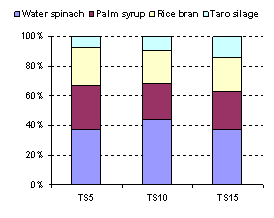
Figure 2. Proportion of DM intake of dietary ingredients by pigs fed Taro silage with basal diet of palm syrup, rice bran and water spinach |
The DM intake of dietary ingredients seems to be higher for pigs fed 10% of taro silage. However, this amount was quite similar to the pigs fed 15% of taro silage while the pig fed 5% of taro silage was the lowest. In the different way, the result shown in the figure 3 that the intake of DM in g/kg of body weight for pigs fed 15% of taro silage was the highest (40.3g/kg BW) while the lowest (28.4g/kg BW) was the pig fed 5% of taro silage.
|
|
|
Figure 3. Mean value of dry matter intake (g/kg BW) of pigs fed Taro silage with basal diet of palm syrup, rice bran and water spinach |
|
Table 4. Mean values (individual treatment) for intakes of organic matter (OM) of pigs fed Taro silage with basal diet of palm syrup, rice bran and water spinach |
|||||
|
intake, g/day OM |
TS5 |
TS10 |
TS15 |
SEM |
Prob. |
|
Taro silage |
21.0c |
34.6b |
49.9a |
1.3 |
0.001 |
|
Palm syrup |
85.4 |
91.5 |
89.1 |
2.1 |
0.118 |
|
Rice bran |
77.8 |
84.5 |
82.1 |
2.0 |
0.066 |
|
Water spinach |
119.7b |
179.3a |
140.6b |
7.3 |
0.001 |
|
Total OM intake |
303.9c |
390.0a |
361.7b |
8.0 |
0.001 |
|
abc Mean value within rows without common subscript are different at P<0.05 |
|||||
|
|
|
|
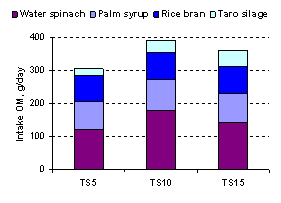
Figure 4. OM intake of dietary ingredients by pigs fed Taro silage with basal diet of palm syrup, rice bran and water spinach |
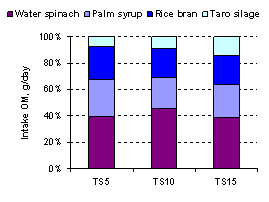
Figure 5. Proportion of OM intake of dietary ingredients by pigs fed Taro silage with basal diet of palm syrup, rice bran and water spinach |
The pigs fed 10% of taro silage had higher total intake of organic matter (390g/day) compared to the pigs fed 15% and 5% of taro silage.
|
Table 5. Coefficients digestibility for pigs fed Taro silage with basal diet of palm syrup, rice bran and water spinach |
|||||
|
|
TS5 |
TS10 |
TS15 |
SEM |
Prob. |
|
Dry matter |
76.2 |
78.6 |
76.1 |
2.4 |
0.70 |
|
Organic matter |
77.3 |
79.4 |
77.3 |
2.4 |
0.77 |
|
Nitrogen |
76.7 |
83.7 |
82.2 |
2.7 |
0.16 |
|
|
|
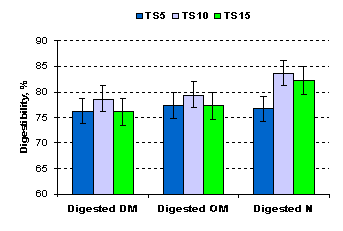
Figure 6. Apparent digestibility of DM, OM and N in pigs fed Taro silage with basal diet of palm syrup, rice bran and water spinach |
|
Table 6. Mean values (individual treatment) for intakes of Nitrogen (N) of pigs fed Taro silage with basal diet of palm syrup, rice bran and water spinach |
|||||
|
intake, g/day N |
TS5 |
TS10 |
TS15 |
SEM |
Prob. |
|
Taro silage |
0.71c |
1.18b |
1.68a |
0.04 |
0.001 |
|
Rice bran |
0.61 |
0.66 |
0.64 |
0.02 |
0.052 |
|
Water spinach |
4.24b |
5.26a |
5.66a |
0.29 |
0.004 |
|
Total N intake |
5.6b |
7.1a |
8.0a |
0.30 |
0.001 |
|
abc Mean value within rows without common subscript are different at P<0.05 |
|||||
|
|
|
|
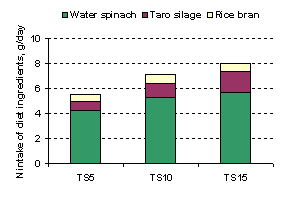
Figure 8. Proportion of N intake of individual diet ingredient by pigs fed Taro silage with basal diet of palm syrup, rice bran and water spinach |
N intake from rice bran was not different from the pigs fed different level of taro silage (P>0.05). However, there were the significances in N intake for water spinach, taro silage and total N intake as well.
|
Table 7. N retention by pigs fed Taro silage in the basal diet of palm syrup, rice bran and water spinach |
|||||
|
|
TS5 |
TS10 |
TS15 |
SEM |
Prob. |
|
N balance, g/day |
|
|
|
|
|
|
N Intake |
5.6b |
7.1a |
8.0a |
0.3 |
0.001 |
|
Feces |
1.6a |
0.9b |
1.0b |
0.2 |
0.028 |
|
Feces# |
1.9a |
0.8b |
0.7b |
0.2 |
0.003 |
|
Urine |
2.3a |
2.2a |
1.5b |
0.1 |
0.001 |
|
Urine# |
2.3a |
2.2b |
1.5c |
0.2 |
0.002 |
|
N retention |
|
|
|
|
|
|
g/day |
1.7c |
4.1b |
5.5a |
0.3 |
0.001 |
|
N Retention# |
2.7c |
3.9b |
4.7a |
0.2 |
0.001 |
|
N Retention## |
1.9b |
4.2a |
5.1a |
0.2 |
0.001 |
|
% N intake |
29.9b |
50.5a |
62.1a |
3.5 |
0.001 |
|
32.5b |
52.8a |
57.3a |
3.2 |
0.001 |
|
|
% N digested |
38.9c |
58.3b |
72.8a |
4.1 |
0.001 |
|
%N digested## |
41.7b |
60.7a |
67.6a |
3.7 |
0.001 |
|
CP in DM, % |
9.6b |
9.6b |
11.3a |
0.4 |
0.003 |
|
Estimation of live weight gain |
83.4 |
122 |
146 |
- |
- |
|
# Corrected for N intake |
|
|
|
|
|
|
## Corrected for CP as %DM |
|
|
|
|
|
|
abc Mean value within rows without common subscript are different at P<0.05 |
|
||||
The result in the figure 9 had shown a good characteristic of intake N, retained N, faecal N and urine N. When the pigs were offered increasingly the amount of taro silage (N in feed), the N retention also increase by the N offered. In contrast, the N contained in faeces and urine decreased continuously at the same time. These characteristics have shown the good biological value of taro silage at retaining the N inside the body of pigs.
|
|
|
Figure 9. N balance of intake, retention and excretion (adjusted by covariance for differences in N intake) by pigs fed Taro silage with basal diet of palm syrup, rice bran and water spinach |
|
|
|
|
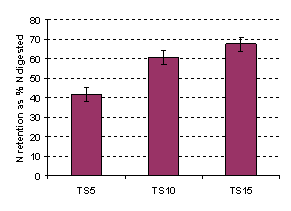
Figure 10. N retention as % of N intake in pigs fed Taro silage with basal diet of palm syrup, rice bran and water spinach |
Figure 11. N retention as % of N digested in pigs fed Taro silage with basal diet of palm syrup, rice bran and water spinach |
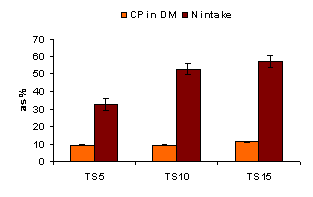
Two variables, N retention as percentage of N intake and N retention as percentage of N digested were corrected for crude protein as percentage in dry matter. N retention as percentage of N intake was affected by the level of taro silage in the feed offered. About 60% of N was retained by pigs when they were offered taro silage up to 15% in the feed intake while compare to the pigs fed 5% of taro silage was just about 30%. Approximately 70% of N retention as percentage of N digested was resulted by pigs offered 15% of taro silage. This result showed that when pigs were fed a low level of taro silage, the digestibility of pigs also low, only about 38% of N retention as percentage of N digested when offered at 5% of taro silage.
|
|
|
|
Figure 12. Relationship between N retention and N intake in pigs fed Taro silage with basal diet of palm syrup, rice bran and water spinach |
Figure 13. Relationship between N retention and crude protein/dry matter in pigs fed Taro silage with basal diet of palm syrup, rice bran and water spinach |
The relationship between N relation and N intake in pigs showed the high value of square R, which mean they had a close relation. When the N intake is increased, the N retention also increases. In contrary, N relation and crude protein per dry matter showed the poor relationship by the confidence only 32% while the N retention and N intake showed 81% of trust.
|
|
|
Figure 14. Percentage of crude protein in dry matter and N intake (adjusted by covariance for differences in CP as %DM) by pigs fed Taro silage with basal diet of palm syrup, rice bran and water spinach |
|
||||||||||||||||||||||||||||||||||||||||||||||||
|
|
|
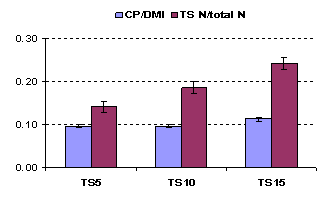
Figure 15. Comparison of crude protein per dry matter intake and Taro silage N per total N intake by pigs fed Taro silage with basal diet of palm syrup, rice bran and water spinach |
Dry matter intake by pigs fed taro silage at 10% was higher (459.1g/day) than pigs consumed 15% (431g/day) of taro silage. Although the number shows the difference but when they are compared in group, there was no difference. This result follow by one experiment about taro leave silage conducted by Pheng Buntha et al (2007) which shown a high DM intake. The lower amount of DM intake for pigs fed 15% of taro silage might not because of the level of taro silage in the diet. Most of DM intake came from water spinach and the other three diet ingredients such as taro silage, rice bran and palm syrup were consumed completely.
Apparent digestibility of dry matter (76.2, 78.6 and 76.1% for pigs fed taro silage at 5, 10 and 15%, respectively) seems to be higher than (65.7%) a report of Chhay Ty et al (2007). This maybe because of this study, the basal diet consisted of palm syrup which could produce energy for pigs. However, this apparent digestibility of dry matter is lower than the result reported by Pheng Buntha (2007). In that report, the apparent digestibility of dry matter was 87.7% if compare to ours just 78.6%. To the report of Pheng Buntha (2007) which showed the high percentage of the digestibility of dry matter, maybe because of that author used the leave to ensile, so the taro leave silage could be easily digested.
The apparent digestibility of crude protein in the diet of pigs fed 10% of taro silage seems to be higher (83.7%) but similar to pigs fed 15% of taro silage about 82.2%. To this result, we can say that there was no difference in apparent digestibility of crude protein due to the P value. There is no apparent explanation for this differences, unless the taro, particular the leaves, contain as yet unidentified anti-nutritional factors or that the ensiling process result in loss of protein quality, i.e. by fermentation of part of the protein to non-protein nitrogen (Oshima and McDonald, 1978).
N retention by pigs was higher (4.7g/day in 8g/day of total intake N) when the level of taro silage had been increased (15%). Chhay Ty et al 2007 reported the N retention by pig fed taro leave silage was 7.47g/day in 20.3g/day of total N intake. In the present study, about 57% of N was retained comparing to 31% of the report of Chhay ty et al (2007). It is assumed that the amount of N retention in pig can be multiplied by 6.25; the out put will show the estimated live weight gain. The increasingly retained N might be the taro silage had good biological value that can maintain N in diet to be retained in pig or perhaps taro silage fit to the pig physiology because some irritating or acid agents had been removed during ensiling process. Moreover, when the N continued retaining, the excreted N (faeces and urine) also continued decreasing. These might cause by the effect of level of water spinach in the total feed intake, particularly for urination.
N retention as percentage of N digested was shown the high value of 67.6% when using the 15% of taro silage. This result was higher comparing to the result (46.5%) reported by Chhay Ty et al (2007). This might have the consequence of which increase the apparent N digestibility by bacteria by breaking down protein-N in the diet ingredients.
• Intake of dry matter and organic matter for pigs fed 10% of taro silage were higher compared to taro silage 5% and 15%.
• Nitrogen retention increase when level of taro silage was increased which led excreted N (faeces and urine) decreased at the same time.
• There was a high value of 67.6% when using the 15% of taro silage for N retention as percentage of N digested.
• Taro silage is a good protein source, particularly a good biological value of the apparent digestibility in growing pigs.
• The result showed the best to the hypothesis of this present study that N retention increased as the level of taro silage was increased.
• To identify the true constrains to the growth of pigs, further research is needed when protein from taro silage is used as a component in the diet.
The authors would like to express their gratitude to the MEKARN project funded by the SIDA-SAREC Agency and the Kampong Cham National School of Agriculture (KCNSA) for conducting this experiment.
Anon-1 no date 1, Rice bran oil http://en.wikipedia.org/wiki/Rice_bran_oil
AOAC 1990: Official Methods of Analysis. Association of Official Analytical Chemists. 15th edition (K Helrick editor). Arlington pp 1230
Atago N 1 no date 2, Japan, A refractometer measures the concentration of a sample by using the basic principle of light refraction. http://www.atago.net/english/mame.html
Pheng Buntha, Ogle R B, Preston T R and Khieu Borin 2007 Digestibility and nitrogen balance studies in pigs fed diets with ensiled taro (Colocasia esculenta) leaves as replacement for fish meal. Livestock Research for Rural Development 19 (9) In press
Buntha P, Borin K, Preston T R and Ogle B 2008: Effect of Taro (Colocasia esculenta) leaf silage as replacement for fish meal on feed intake and growth performance of crossbred pigs. Livestock Research for Rural Development. Volume 20, supplement. Retrieved, from http://www.cipav.org.co/lrrd/lrrd20/supplement/bunt3.htm
Chhay Ty and Ly J 2001 Manual laboratory. Centre for Livestock and Agriculture Development.UTA-Cambodia. 19 pp.
Chhay Ty, Preston T R and Ly J 2003 The use of ensiled cassava leaves in diets for growing pigs. 2. The influence of type of palm oil and cassava leaf maturity on digestibility and N balance for growing pigs. Livestock Research for Rural Development (15) 8 Retrieved September 29, 2003, from http://www.cipav.org.co/lrrd/lrrd15/8/chha158.htm
Chhay Ty and Preston T R 2006: Effect of water spinach and fresh cassava leaves on growth performance of pigs fed a basal diet of broken rice. Workshop-seminar "Forages for Pigs and Rabbits" MEKARN-CelAgrid, Phnom Penh, Cambodia, 22-24 August, 2006. Article #5 Retrieved April 5, 2007, from http://www.mekarn.org/proprf/chha1.htm.
Chhay Ty, Borin K, Preston T R and Mea Sokveasna 2007: Intake, digestibility and N retention by growing pigs fed ensiled or dried Taro (Colocasia esculenta) leaves as the protein supplement in basal diets of rice bran/broken rice or rice bran/cassava root meal. Livestock Research for Rural Development. Volume 19, Article #137. Retrieved, from http://www.cipav.org.co/lrrd/lrrd19/9/chha19137.htm
Le Thi Men, Brian Ogle and Vo Van Son 1999: Evaluation of water spinach (Ipomoea aquatica) for crossbred fattening pigs. Master in Science Thesis. Swedish University of Agricultural Sciences. Uppsala pp71.
Le Thi Mean, Brain Ogle and Vo Van Son. 2000: Evaluation of water spinach as a protein source for Baxuyen and Large white sows. MSc. thesis, Swedish University of Agriculture Science, Department of Animal Nutrient and Management, Uppsala, 1999, Sweden.
Ly J 2002 The effect of methionine on digestion indices and N balance of young Mong Cai pigs fed high levels of ensiled cassava leaves. Livestock Research for Rural Development. (14) 2: http://www.cipav.org.co/lrrd/lrrd14/6/Ly146.htm
Malavanh C, Preston T R and Ogle B 2008: Ensiling leaves of Taro (Colocasia esculenta (L.) Shott) with sugar cane molasses. Livestock Research for Rural Development. Volume 20, supplement. Retrieved, from http://www.cipav.org.co/lrrd/lrrd20/supplement/mala1.htm
Mc Donald, Ra Edwards, JFD Greenhalgh and CA Morgan, 2002:Animal Nutrition 6th edition, Appendix 2, p 644. Evaluation of foods: protein, p 320. Evaluation of foods: digestibility, p 248.
Ocampo A 1994 Utilizacion del fruto de palma africana como fuente de energia con niveles restringidos de proteina en la alimentacion de cerdos de engorde. Livestock Research for Rural Development (6) 1:1-7 http://www.cipav.org.co/lrrd/lrrd6/1/5.htm
Oshima M and McDonald P 1978 A review of the changes in nitrogenous compounds of herbage during ensilage. Journal of. Science of Food and Agriciculture 29: 497-505
Perez Rena 1997 Feeding pigs in the tropics. APHP Series No 132, FAO: Rome
Phiny C, Ogle B, Preston T R and Borin K 2008: Growth performance of pigs fed water spinach or water spinach mixed with mulberry leaves, as protein sources in basal diets of cassava root meal plus rice bran or sugar palm syrup plus broken rice. Livestock Research for Rural Development. Volume 20, supplement. Retrieved, from http://www.cipav.org.co/lrrd/lrrd20/supplement/phin2.htm
Prak Kea, Preston T R and Ly J 2003 Feed intake, digestibility and N retention of a diet of water spinach supplemented with palm oil and / or broken rice and dried fish for growing pigs. Livestock Research for Rural Development (15) 8 Retrieved, from http://www.cipav.org.co/lrrd/lrrd15/8/kea158.htm
Roy H and Lundy S, 2005: Rice bran, Pennigton Nutrition Series, number 8, healthier lives through education in nutrition and preventive medicine. http://www.pbrc.edu
Sarria P, Solano A and Preston T R 1990 Utilización de jugo de caña y cachaza panelera en la alimentación de cerdos. Livestock Research for Rural Development (2) 2:92-100 http://www.cipav.org.co/lrrd/lrrd2/2/5.htm
Sokha T, Preston T R and Borin K 2008: Effect of different protein levels derived from mixtures of water spinach and fresh sweet potato vines in basal diets of broken rice or cassava root meal and rice bran for growing pigs. Livestock Research for Rural Development. Volume 20, supplement. http://www.cipav.org.co/lrrd/lrrd20/supplement/sokh.htm
Undersander, D.J., W.T. Howard, and R.D. Shaver. 1993. Milk per acre spreadsheet for combining yield and quality into a single term. J. Prod. Ag. 6:231 235.