Cassava hay production and its supplementation
effect on swamp buffaloes (Bubalus bubalis) in LOA
PDR; a review of the
literature
Ammaly Phengvilaysouk
Table of contents
Cassava production in Lao PDR..
……………………………………………………………………………..1
Nutritive values of cassava foliage
and root2
Cassava hay and root as a ruminant
feed. 3
Buffaloes production systems in Lao PDR.. 4
uffaloes management in lowland
areas. 5
Buffalo management in sloping land
zones. 5
The importance of buffaloes in
small-holder farming systems. 5
Supply of meat and milk.
Advantage of draft power and manure
Role of cassava hay supplementation for swamp buffaloes
Role of cassava hay supplementation for swamp buffaloes
Feed intake and digestibility of swamp buffaloes
Rumen ecology of swamp buffaloes
Cassava production in Lao PDR
The Lao PDR is a land-locked nation that lies within the
watershed of the Mekong River. Approximately 80% of the land
surfaces are hills and mountains. There are three main
agro-ecological zones consisting of uplands, plateau and lowlands.
The uplands are mountainous regions from 1,100 to 3,000 m altitude
(60% of the total land area). The plateau ranges from 800 to 1,300
m and the lowlands are plains less than 800 m above sea level
(Bouahom, 1995). The Lao PDR is seasonally tropical, with a
pronounced wet and dry season. The lowest levels of mean annual
rainfall are about 1,300 mm in the northwest, while the highest
level is 4,000 mm in the Annamite range in the south. The majority
of the lowlands have 1,500 to 2,000 mm annual rainfall (BCR, 2003).
Lao PDR has about 5 million hectares of land that is suitable
for cultivation. Of these only 800,000 hectares are planted with
rice or secondary food crops by farmers. Around 750,000 hectares
are used as pastureland and 50,000 hectares for ponds for
freshwater fish farming (MAF, 2002). In the uplands, complex soils,
which are strongly leached and acidic, predominate. Soils in the
lowlands are usually highly weathered, with moderate acid, and
classified texturally as loams, sandy loams and loamy sands. These
soils tend to be of low in organic matter content and have
therefore a low cation exchange capacity and low base saturation.
High levels of aluminium and iron are found in some soils, which
have a low water-holding capacity that makes them prone to drought.
Deficiencies of nitrogen and phosphorus are widespread. However,
cassava can grow in poor soil and can withstand drought. It is an
important reserve crop in countries with unreliable
rainfall.
Cassava is a plant that originated from South America and is
known under various names: Manihot esculenta, manioc, yucca
and tapioca, andbelongs to the family Euphorbiaceae. The
tubers are high in starch that can be used as animal feed and for
human consumption, while the leaves have high protein content. They
are important in many developing countries in Africa, South and
Central America, India and Southeast Asia (Food Safety, 2005). In
Laos, cassava is mostly grown on small farms, usually intercropped
with vegetables, sweet potatoes, melon, maize etc. In the
traditional cultivation, there are two common varieties of cassava;
the bitter and sweet. According to CIAT (2001) cassava is currently
the third most important crop in Laos, after rice and maize. It is
widely grown throughout the country by upland farmers but in small
areas using local varieties and with very low inputs. The roots are
used mainly for human consumption and for feeding livestock.
Recently, the use of cassava root and leaf has increased. In 2001,
researchers conducted experiments on cassava production at Houy
Khot station in Luang Prabang Province and the Livestock Research
Center (NamSuang) in Vientiane Province. Eight varieties were
introduced from Thailand and two local varieties were planted.
Cassava root yields were highest (20 to 25 tonnes per ha) for
varieties Rayong 72 and Rayong 90, and 13 to 15 tonnes per ha for
two local varieties at Houy Khot, while, cassava root yields were
highest (25 to 30 tonnes per ha) for varieties Rayong 72, Rayong 60
and KU50, versus 15 to 20 tonnes per ha for the two local varieties
at Namsuang (Vongsamphanh, 2003). In addition, several research
projects have been carried out on the use of cassava foliage to
feed animals: fresh foliage and DM yields ranged from 0.8 to 13.8,
and 0.3 to 4.0 tonnes per ha, respectively. The differences could
have been due to differences in planting space, study site and
subsequent harvestings (Chantaprasarn and Wanapat,
2005).
|
Table 1. Comparison of cassava planted area, harvested
area, production, and yield |
|||||
|
Year |
Country |
Planted Area
|
Harvested Area |
Production |
Yield |
|
|
|
(1000 ha) |
(1000 ha) |
(1000 metric tons) |
(kg/ha) |
|
1999 |
Laos |
13 |
13 |
81 |
6,176 |
|
2000 |
Laos |
19 |
19 |
118 |
6,057 |
|
2001 |
Laos |
16 |
16 |
101 |
6,174 |
|
2002 |
Laos |
4 |
4 |
29 |
7,080 |
|
2003 |
Laos |
20 |
20 |
150 |
7,687 |
|
2004 |
Laos |
8 |
8 |
56 |
6,810 |
|
2005 |
Laos |
7 |
7 |
51 |
7,580 |
|
Source: Office of
Agriculture Economics (2004) |
|||||
Nutritive values of cassava foliage and
root
Cassava roots are very starchy and therefore rich in
carbohydrates, a major source of energy. In fact, the cassava plant
is the highest producer of carbohydrates. It has been reported that
cassava can produce 250 x 103 calories per ha per day
compared to 176 x 103 for rice, 110 x 103 for
wheat, 200 x 103 for maize, and 114 x 103 for
sorghum, according to UNU (1980). The chemical composition of
cassava varies in different parts of the plant, different varieties
and it also depends on the location, age, stage of harvesting,
method of analysis, and environmental conditions. Although cassava
roots are rich in calories, they are grossly deficient in protein,
fat, and some minerals and vitamins. Consequently, cassava has
lower nutritional value than cereals, legumes, and even some other
roots and tuber crops, such as yams. According to UNU (1980) the
cassava root contains from 64 to 72% carbohydrates, which are
mostly starch, mainly amylose and amylopectin, and about 17% of
sucrose is found in sweet varieties, and small quantities of
fructose and dextrose. The lipid content of cassava is only 0.5 %.
Cassava roots are poor in proteins (1-2% CP), and the amino acid
profile of the cassava root is very low in some essential amino
acids, particularly lysine, methionine and tryptophan. However,
fermentation of the roots resulted in protein enrichment from 6 to
8%. Cassava is reasonably rich in calcium and vitamin C, but its
thiamine, riboflavin, and niacin contents are low. Generally,
cassava tubers are traditionally processed by a wide range of
methods, which reduce their toxicity, improve palatability and
convert the perishable fresh root into stable products; these
methods consist of different combinations of peeling, chopping,
grating, soaking, drying, boiling and fermenting (Tewe,
1991).
Cassava leaves are much richer in proteins than the roots.
Although the leaves contain far less methionine than the roots,
cassava-leaf has protein claimed to be superior to soybean protein.
Cassava leaves are used as a protein source when the roots are
harvested, but their intake and digestibility are low due to the
high level of condensed tannins (Reed et al., 1982; Onwuka,
1992). However, harvesting of cassava foliage at an early growth
stage (3 months) to make hay reduces the condensed tannin content
and increases the protein content to 25% of DM. Crude protein in
cassava hay has many essential amino acids similar to most
vegetable proteins and with very low hydrocyanic acid, as stated by
Wanapat et al. (1997). On the other hand, cassava leaves
contain on average 21% crude protein, but values can range from
16.7-39.9% (Ravindran, 1991). Khuong and Khang (2005) found that
fresh cassava foliage (DM basis) harvested at 45 days of re-growth
contains 20.1% DM, 21.5 CP,7.8 Ash, 28.8 ADF, 38.2 NDF and 3.5% CT
as compared to 20.2 CP, 36.4 ADF and 51.1% NDF in the experiment
reported by Khang and Wiktorsson (2004). This wide variability is
related to different cultivars, state of maturity, sampling
procedure, soil fertility and climate. Almost 85% of the crude
protein fraction is true protein (Eggum, 1970). The use of cassava
in livestock feeding has been limited, due to the fact that cassava
contains cyanogenic glucosides in the form of linamarin (93 per
cent), and lotaustralin (7 per cent). The amount of cyanogenic
glucosides varies with the part of the plant, age, variety and
environmental conditions such as soil, moisture, temperature, etc.
Certain varieties of cassava have long been designated as sweet or
bitter in relation to their cyanogenic glucoside content. The sweet
varieties are supposed to be much lower in HCN content than the
bitter varieties (Wanapat et al., 1997).
Cassava hay and root as a ruminant
feed
Cassava has one important characteristic, it can be managed to
maximize production of carbohydrate (in form of roots) or protein
by harvesting the leaves. For root production the growth cycle is
from 6 to 12 months, at the end of which the entire plant is
harvested. However, when maximum protein production is the aim, the
foliage is harvested at 2 to 3 month intervals by cutting the stems
at 50 to 70 cm above the ground, thereby encouraging the plant to
re-grow. Dual-purpose production systems are also possible whereby
one or two harvests of the leaves are taken before the plant is
allowed to continue the normal development of the roots, as
reported by Preston (2001). In addition, studies by Wanapat et
al. (1997; 2000a; 2001) revealed the potential uses of cassava
leaf and hay as a good source of protein. This was achieved by
collecting the leaf or whole crop at an early stage of growth, and
the harvesting of further biomass throughout the year. The
accumulated yield of cassava hay ranges from 2 to 8 tonnes of DM
per ha, depending on the variety, cultivation practice, use of
fertilizer and soil moisture (Wanapat, 2001a).
Cassava is an annual tropical tuber crop, which is nutritionally
valuable as a source of energy and protein for animals. Both fresh
and dried cassava roots are consumed in different forms by
ruminants (chopped, sliced, or ground). Dried cassava roots gave
satisfactory results as the principal energy source for dairy
cattle, intensive beef fattening and lamb growth. Cassava can
replace almost all of the grain in the diets with little reduction
in performance. Inclusion levels of up to 65%, preferably pelleted,
do not seem to affect animal health, carcass quality or overall
performance when the diets are carefully balanced. Palatability can
be enhanced by the addition of molasses if pelleting is not
possible (Animal Feed Resources Information System,
2006).
The protein content of cassava leaf and hay is relatively high,
while fiber levels are low. Moreover, levels of the essential amino
acids, methionine and threonine are similar to those found in
soybean meal. Cassava bushes three to four months old are harvested
by cutting about 40 cm above the ground and chopping in small
pieces by hand or in a stationary forage chopper to use as foliage
for cattle and other ruminants (Plant Guide, 2005). Cassava leaf or
hay contains 20 to 25 percent crude protein in the dry matter and
has minimal hydrocyanic acid (HCN) content, according to Wanapat
et al. (1997), who recommended the use of cassava hay
(leaves, stems and petiole) for feeding to ruminants. Wanapat et
al. (1989) reported that cassava hay, as supplement to rice
straw diets, increased rice straw intake, growth rates and
digestibility in cattle and buffaloes. Supplementation of cassava
hay to basal diets of untreated rice straw, cassava chips and
cassava residues increased benefits to farmers (Viet and Kien,
2005).
Cassava hay contains tannin-protein complexes, which can act as
a rumen by-pass protein and be digested in the small intestine.
Therefore, supplementation of cassava hay at a level of 1 to 2 kg
per head per day for ruminants could markedly reduce concentrate
requirements. The condensed tannins contained in cassava hay have
also a potential to reduce gastrointestinal nematodes; Kahn and
Diaz-Hernandez (2000) emphasized parasites as a serious problem for
ruminants in the tropics. Barry and Manley (1984) and Reed (1995)
found that condensed tannins in the feed at more than 6% of dry
matter reduce feed intake and digestibility; a CT level between 2
to 4% of DM helps to protect protein from rumen digestion and
thereby increases rumen by-pass protein. Condensed tannins and
protein can form a tannin-protein complex (TPC) by hydrogen
bonding, especially under alkaline conditions. TPC is stable at pH
3.5-7.0, but the complex will dissociate at pH<3.0 and pH>8.0
(Jones and Mangan, 1977). In addition, cassava hay is an excellent
multi-nutrient source for animals, especially because of its high
level of protein. Nutrient availability can be improved by grinding
and chopping. Overall, cassava has the potential to increase the
productivity and profitability of sustainable livestock production
systems in the tropics (Wanapat and Devendra, 1999; Wanapat et
al., 2000b; 2000c and Wanapat, 2001a).
|
Table
2. Chemical composition of cassava hay |
|||||||||
|
DM |
CP |
ash |
NDF |
ADF |
ADL |
CT |
Reference |
||
|
% |
--------------------- % DM
---------------------- |
|
|||||||
|
93.4 |
24.9 |
6.6 |
34.4 |
27.0 |
- |
3.8 |
Wanapat et al. (1997) |
||
|
92.0 |
23.5 |
4.2 |
55.2 |
31.4 |
- |
3.2 |
Netpana et al. (2001) |
||
|
92.0 |
22.0 |
7.1 |
58.8 |
32.0 |
- |
4.2 |
Poungchompu et al. (2001) |
||
|
92.3 |
23.4 |
13.5 |
50.4 |
45.0 |
- |
3.0 |
Wanapat et al. (2001) |
||
|
86.9 |
24.2 |
6.6 |
48.2 |
31.1 |
- |
1.8 |
Hong et al. (2003) |
||
|
92.3 |
20.6 |
7.5 |
55.0 |
38.9 |
16.8 |
3.3 |
Kiyothong and Wanapat (2003) |
||
|
93.7 |
27.3 |
8.0 |
67.7 |
41.7 |
13.2 |
3.6 |
Vongsamphanh and Wanapat (2004) |
||
|
94.6 |
23.2 |
6.6 |
41.0 |
25.5 |
7.8 |
3.4 |
Chantaprasarnand Wanapat (2005) |
||
|
92.3 |
20.6 |
6.6 |
49.7 |
32.1 |
10.8 |
3.5 |
Phengvilaysouk and Wanapat (2007) |
||
Buffalo production systems in Lao PDR
Swamp buffalo is indigenous in Lao PDR, and the majority
originated from stock domesticated within Lao PDR, nearby China and
Vietnam, and can be considered as an indigenous or traditional
breed (MAF, 2001). Most swamp buffaloes are completely grey in
color, and only a few are white. Normally, buffaloes have a lower
heat tolerance than cattle, are slate gray, droopy necked, and
ox-like with massive swept back horns. They wallow in any water or
mud pools they can find or make. The swamp buffalo which is
commonly seen in Laos is larger than native cattle, with males
reaching 450 kg and females 350 kg. Females tend to have their
first calf at four to five years, but calving intervals are lower
than for cattle. Some reports put the annual calving rate at less
than 50% (NAFRI et al., 2005). Commonly, buffalo is long
lived and female buffalo can produce healthy offspring with an age
above 20.
In Lao PDR, water buffaloes are predominantly of the swamp type,
raised in extensive low input systems that take advantage of
naturally occurring feed. The greatest difference is encountered
between predominantly lowland areas in the Mekong corridor zone and
the upland areas of the slopping land zones. Buffalo and cattle are
mostly found in the central region, where they graze on vacant
cropping areas for most of the year, but they also graze
extensively in the sloping lands zone (FAO, 2003). Devendra et
al. (1997) reported that the country is endowed with native
pasture grazing areas, and out of a total of 8.5 million ha, 2.4
are found in the low lands, 0.4 are found in the plateaus and 5.7
million ha are found in the upland areas,
respectively.
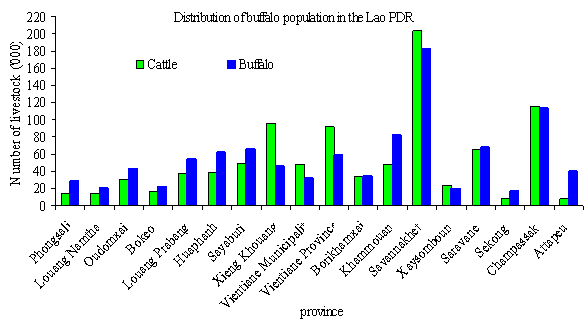
Figure 1. Number of large ruminants by
province in the Lao PDR ('000) [Sources: JICA-MAF
(2001), Agricultural Census (2000)
Buffalo management in lowland areas
Livestock is an important component of smallholder farms in
lowlands areas of Lao PDR. Sales of livestock account for more than
50% of cash income in many upland areas. Over 95% of livestock is
produced by smallholders (NAFRI et al., 2005). Buffalo
density is high in the central and southern regions where a higher
proportion of lowland rice is grown. This is the usual trend for
areas in Southeast Asia where rice is harvested only once a
year.
In these areas, buffalo are grazed on available cropping areas,
forest, communal lands, etc. In general, buffaloes depend mainly on
rice straw, stubbles, and re-growth of rice after harvest, and
grasses and weeds growing in and around fields. The management
systems are extensive, with animals being allowed to graze and mix
freely in large herds. During the rice growing season, animals
graze in the upland and the forest areas away from the rice fields
to avoid crop damage. They are also tied around the household and
fed with rice straw. The amount of available grazing and other
non-cropping areas are critical for animal production since there
are no other feed resources during this time of the year. Most
villages in the Mekong Corridor have access to such areas, which
are grazed heavily during the wet season. Management inputs are
minimal with animals grazing in small groups. When buffaloes are
needed to prepare land, they are kept near the rice fields (often
tethered) and are fed grass, rice bran and sometime sticky rice to
ensure that they are strong enough for land preparation.
In areas where irrigation enables farmers to grow two rice crops
per year, buffaloes can only graze the cropping areas for a few
months during the year. Therefore, they depend on other grazing
resources for most of the year. This limits the number of animals
that can be raised in these areas. Growing crops out of the normal
growing season also requires more herding and supervision of the
animals to avoid crop damage. More and more farmers invest in
hand-tractors for land preparation and transport in intensive
agricultural areas, and often sell their buffaloes to finance this
investment. Due to this buffalo numbers are declining in many
lowland areas (ILRI, 2002). On the other hand, the management of
health is minimal; some may be vaccinated against certain
infectious diseases, but most are not. Farmers have little interest
in bovine vaccination, except when disease outbreaks take place.
Common infectious diseases in bovines are foot-and-mouth disease of
type A, O, Asia-1, and Haemorrhagic Septicaemia is very serious in
buffalo. In addition, internal parasites such as Strongeloides and
Neoascaris are also found in buffalo (Chantalakhana and Skunmun,
2002).
Buffalo management
in sloping land zones
The sloping land zones include the upland and mountainous areas.
Buffaloes graze extensively in fallow upland fields, grazing areas
and forests. Management inputs are minimal for most of the year.
Buffalo and cattle production occurs mainly in mixed crop livestock
farming systems in the sloping lands zones rather than in the
Mekong Corridor. The reasons are feed resources limitation in the
lowland areas while in the sloping lands zone, more extensive
grazing is available, and the resources are ideally suited to breed
and supply buffaloes and cattle (ILRI, 2002).
In these areas, the traditional knowledge is different among the
ethnic groups and villagers; therefore the buffalo management
differs between areas. The Hmong are well known for their skills,
they build extensive fences using local materials to keep animals
from cropping areas during the wet season. Many villagers herd
buffalo communally in designated grazing areas. In other villages,
families manage animals individually. For one part of the year,
animals graze in remote areas where ample feed is available. At
other times, animals are brought back to pens every night. Farmers
in some villages provide additional feed to buffalo with newborn
calves and keep sick animals in special pens where they get
cut-and-carry feed. Most farmers provide salt to animals, often as
an incentive to return to the enclosure by themselves (NAFRI et
al., 2005)
The importance of buffaloes in small-holder
farming systems
Most Asian countries are agrarian, with 60-80% of the population
engaged in farm operations in one way or another. Livestock has
been an integral component of traditional agriculture for many
centuries in Asia (Nanda and Nakao, 2003). Livestock production is
firmly based in the smallholder farmers in both the Mekong Corridor
and the Sloping Lands. Nationally, about 30% of cash income from
agriculture was derived from livestock in 1997/98. In general, the
importance of livestock as a source of cash income is highest in
upland areas with poor access to markets where villages have to
carry goods over long distances to markets. This limits options to
crop with a high value per unit weight and livestock such as
buffaloes and cattle that can be walked to markets (ILRI, 2002).
Livestock provides many on-farm benefits; they are also a source of
savings to be sold when cash is needed. Only when households
accumulate enough livestock to feel financially secure are they
able to make long-term investments in their farming and livelihood
systems (e.g. sending children to high school, planting fruit
trees, buying a two-wheel tractor or micro rice mill), buffalo play
a pivotal role in the overall social development of small farmers.
It is the main source of draft power to cultivate crops and prepare
paddy rice fields, the main fertilizer and meat-milk supply for
small farmers in mountainous area (Tuyen and Ly,
2001)
Supply of meat and milk
Buffalo meat has a lower content of saturated fat than beef and
pork, and 40% less cholesterol, 55% less calories, 11% more protein
and 10% more minerals as compared to bovine meat, and therefore, it
is healthier. The quality has been markedly improved with the
crossbred in Australia, which it is hoped will be the future
standard in the 'Tender buff program' which has gained much
popularity in recent years (Lemcke, 1997). Buffalo milk is
healthier, because it is richer in saturated fatty acids. It is
high in total solids (18-23%), that make it useful to make into
cheese, butter fat, and several kinds of traditional sweets and ice
creams. Swamp buffalo milk has even higher fat (9-15%), protein
(7.1%), lactose (4.90%) and ash (0.89%) according to work by Thac
(1979). Riverine buffaloes produce more milk than swamp buffaloes.
The average lactation yield in the best known dairy buffalo breeds,
Murrah and Nili-ravi, is around 2000 L (Agarwal and Tomar, 1998).
Elite buffaloes with up to 6000 L also exist in India, Italy and
Pakistan; this indicates their great potential for milk production.
Working swamp buffalo produce 1.94 kg/day in Thailand (Khajarern
and Khajarern, 1990) and 1.55 kg/day in Vietnam (Thu, 1997) while a
non-working swamp buffalo may yield 2.15 kg/day (Gongzhen, 1996),
and crossed with Murrah can yield of 3.73 kg/day in 277 days lactation.
Advantage of draft power and
manure
Using buffalo for ploughing is definitely cost efficient in
rain-fed lowland mixed farming systems (Bunyavejchewin et
al., 1994). Based on profits produced over the investment, a
pair of buffalo is 2.6 times more efficient than a tractor (Thu
et al., 1995). Advantages include fuel savings, low
maintenance costs, high resale value, use of otherwise useless crop
residues, reduced dependence on external inputs and solidarity with
sustainability. Also, buffalo values increase over the years and
they need no costly fuel, maintenance, and they reproduce (FAO,
2000). Comparatively, machines require considerable monetary
investment and are usually much larger in size than required by a
peasant (Chantalakhana, 2001). Buffalo for work can start at
approximately 2 years of age or at 250 kg bodyweight. Young buffalo
can pull an approximately 50-80 kg plank or log in a plowed field
together with a trained buffalo. They are subjected to work for
approximately 1 h per day, gradually increasing to 3-4 h daily. The
average buffalo learns to obey commands within 3-4 weeks
(Saadullah, 1998). The power and efficiency of animals is increased
with age and gain in bodyweight. Buffaloes normally carry up to a
2.0 t load, but can pull more than six times their own bodyweight
continuously for 2-3 h, totaling 5-6 h daily in summer and 6-8 h in
winter (Acharya, 1988).The average buffalo works up to the age of
approximately 11 years. In Thailand, buffaloes work on average 5 h
per day for up to 146 days per year. Draft buffalo work
approximately 109 days/year in Vietnam (Sanh et al., 1995).
In China, one buffalo is sufficient to do all the work on 2-3
hectares of cultivated land. Swamp buffalo plow 0.30 ha/pair per
day and harrow 0.73 ha/pair per day (Thu et al., 1995).
Buffalo manure is an excellent source of nutrients for crops.
Approximately 40% of the value of an animal could be in the manure
it produces (Hoffmann, 1999). An adult buffalo produces 4-6 tonnes
of wet manure per year. Normally, dung is heaped to mature for a
few months and spread onto fields to maintain soil fertility.
Farmers in South-East Asia spread it in the early rainy season and
plow down before planting rice (Devendra and Pezo, 2002).
Role of cassava hay supplementation for swamp
buffaloes
In all countries of Southeast Asia, large ruminants are fed on
low protein diets and for a major part of the year are fed on crop
residues and mature grasses. These forages are often deficient in
crude protein and minerals. It should be possible to solve this
problem by supplementation of an extra protein source, particularly
cassava foliage. Cassava hay contains condensed tannins (CT) and
proanthocyanidins (PC), which are common in tropical plants. CT are
polyphenolics, which can easily be solubilized in water and can
precipitate protein. The presence of condensed tannins and protein
can result in the formation of tannin-protein complexes (TPC) by
hydrogen-bonding, especially under alkaline pH conditions. TPC
maintains its complex at pH 3.5-7.0, and will dissociate under pH
3.0 and over 8.0 (Jones and Mangan, 1977). Condensed tannins have
been found to increase N-recycling in the rumen and saliva (Reed,
1995). Moreover, they improve rumen ecology, especially through
enhancing microbial protein synthesis (Makkar et al., 1995;
McSweeney et al., 1999; Makkar, 2000).
In the absence of supplemental sources of bypass protein from
cassava leaf meals which have condensed tannins at optimal levels
to protect proteins from degradation in the rumen (Leng, 2005).
Wanapat (2001a) discovered that the condensed tannins (CT)
contained in cassava hay at levels of 3.05-4.20% are beneficial for
ruminants. Condensed tannins can protect proteins from fermentation
in the rumen and hence increase the supply of amino acids to the
small intestine (Kiyothong and Wanapat, 2003). Wanapat et
al. (1997) reported that condensed tannins in cassava hay form
a complex with the protein, so that much of the protein escapes the
rumen fermentation which contributes amino acids directly to the
animal.
However, in the tropical countries cassava is usually grown for
root harvesting, so cassava leaf is a residue from cassava root
production. Dried cassava leaf has successfully been used as
supplement for ruminants fed straw based diets and increased rice
straw intake according to Wanapat et al. (1992). This result
agrees with Vongsamphanh and Wanapat (2004) who summarized that
supplemented cassava hay increases both intake of rice straw and
total DMI, while Leng (1997) concluded that cassava hay
supplementation to native cattle, fed a rice straw basal diet and a
rumen supplement, improves feed intake, rumen ecology and
digestibility. Anexperiment was conducted on farm with supplemented
cassava hay (500 g/head/day), which increased the growth rate by
50% and improved the feed conversion by 16% in local beef cattle
fed on rice straw diets in the winter season in North Vietnam (Viet
and Kien, 2005).
Recently, attention is now being focused on the potential use of
whole cassava crop in integrated livestock production systems. In
Thailand, the cassava research programmes are mainly focused on
converting the cassava foliage into hay with the aim to reduce the
risks of HCN toxicity (Wanapat, 2001a). The results of several
experiments showed that cassava hay supplementation could replace
concentrate fed to dairy cows (Wanapat et al., 2000b), and
could reduce the level of nematode worm infestations in grazing
buffaloes (Neptana et al., 2001).Providing a good source of
roughage like cassava hay increases the ratio of protein to energy,
and hence increases productivity in ruminants.
Role of coconut oil supplementation for swamp
buffaloes
Dietary fats supply energy, carry fat-soluble vitamins (A, D, E,
K) and are a source of antioxidants and bioactive compounds. Fats
are also incorporated as structural components of the brain and
cell membranes. Coconut oil consists of highly saturated fat (over
90%) and is rich in lauric acid. Saturated fatty acids are more
digestible in ruminants than in nonruminants (Palmquist and
Jenkins, 1980). Scientific Psychic (2005) reported that coconut oil
is a common fatty acid which contains 8% unsaturated fatty acids 6%
oleic (C18:1), and 2% linoleic (C18:2) acid. Coconut oil also
contains 92% saturated fatty acids, including 6% capric (C10:0),
47% lauric (C12:0), 18% myristic (C14:0), 9% palmistic (C16:0), and
3% stearic (C18:0) acid.
Several studies were conducted to find out the appropriate utilization of oil, particularly supplementation to large ruminants. Wanapat et al. (2005) stated that energy in diets containing cassava chips and cassava hay are still low in energy density. Hence, it is possible to enhance energy density by other sources such as oil or fat. However, dietary fats are antimicrobial and interfere with normal function of the luminal microbes and result in fiber digestion depression. Fat is rapidly hydrolyzed in the rumen and the resultant long chain fatty acids are absorbed onto the fiber, which decreases its accessibility to microbial attack (Leng, 1987) or have a direct toxic effect on the luminal microorganisms, and hence reduce fiber digestibility. Depression of fiber digestion is most severe for fat sources which are high in unsaturated fatty acids than in saturated fatty acids (Jenkins, 1993).
Normally, fat content of ruminant diets is low (< 50 g/kg)
and if it is increased above 100 g/kg the activities of rumen
microbes are reduced (McDonald et al., 2002). Looper (2001);
Palmquist and Conrad (1978) suggested a limit of total fat from 6
to 7% in dry matter. While, Chantaprasarn (2005) indicated that
feeding fats to lactating dairy cows by using sunflower oil 2.5% in
the concentrate with cassava hay could be a way to meet the energy
and nutrient requirements to improve rumen ecology as well as milk
yield and quality. Wanapat et al. (2005) stated that
supplementation of coconut oil could improve rumen fermentation in
terms of the fermentation-end-products.
In contrast, coconut oil can be utilized as a dietary fat
supplement to eliminate protozoal population, its potential to
improve DM intake, digestibility and animal growth performance. In
addition, reduction of the protozoal population increased fungal
zoospores and bacteria (Leng, 1982; 1989); (Preston and Leng,
1987). Nguyen Thi Hong Nhan et al. (2001; 2005a); Mom Seng
et al. (2001) showed that oil eliminated protozoa from the
rumen and cattle grew faster. Nguyen Thi Hong Nhan et al.
(2005b) emphasized that drenching of soy bean oil at the rate of 6
ml/kg live weight at the start of the trial improved feed intake,
growth rate in cattle and economic profitability.
Feed intake and digestibility of swamp
buffaloes
Ruminants are adapted to utilize 'bullky' foods, such as hay and
straw. Rice straw and maize stover are roughages with a low
nutrient content and low digestibility, which are usually fed to
buffaloes as a main diet during the dry season in many Asian
countries (Thu, 2001). Therefore ruminants have evolved a special
system of digestion that involves microbial fermentation of feed
prior to its exposure to their own digestive enzymes. The success
of wild ruminants can be largely explained by their ability to
digest fibrous plant materials (Hungate, 1966). Ruminants
themselves do not produce fiber-degrading enzymes, but they harbor
bacteria, fungi, and protozoa that can. The host provides the
microorganisms with a suitable habitat for growth, and the microbes
supply the animal with protein, vitamins, and short-chain organic
acids. Microbial protein accounts for as much as 90% of the amino
acids reaching the small intestine, and energy from short-chain
organic acids (primarily acetic, propionic, and butyric acids).
Ruminal microorganisms can also ferment starch and sugars, and
these nonfibrous materials increase fermentation rate and animal
productivity (Nocek and Russell, 1988). The rumination and
fermentation are relatively slow processes, and fibrous feeds have
to stay in the digestive tract for along time until digestible
components are extracted. It is long recognized that there is a
positive relationship between the digestibility of feed and intake
in ruminants; total intake increases when digestibility is high,
but intake is actually more closely related to the rate of
digestion of diets than to digestibility; although the two last
measures are generally related to one another. In other words, feed
that are rapidly digested, and have a high digestibility, promote
high intake. The faster the rate of digestion, the more rapidly is
the digestive tract emptied, and the more space is made available
for the next meal. The primary chemical component of feeds that
determines their rate of digestion is neutral-detergent fibrous
(NDF), which is itself a measure of cell-wall content, the physical
form of cell walls also effect intake. The mechanical grinding of
roughages partially destroys the structural organization of cell
walls, thereby accelerating their breakdown in the rumen and
increasing feed intake.
However, nutrient deficiencies that reduce the activities of
rumen microorganisms are liable to reduce feed intake. The most
common are proteins and nitrogen deficiency, which can correct by
supplementation with rumen-degradable protein or with simple source
of nitrogen such as urea. The effects of ammonia availability
through digestibility and straw intake of cattle; there are two
critical ammonia levels. These are 80-100 mg N/l for optimum
fibrolytic activity and 150-250 mg N/l for optimum microbial
activity (McDonald et al., 2002). In the present study with
animals fed on low quality rice straw there were significant
improvements of DM, OM and NDF diet digestibility for the
supplemented diets compared to the non-supplemented diet. Murphy
(1990) reported that increases in nitrogen supply or sparing
effects of the branched amino acids led to an increase in the
numbers of cellulolytic bacteria and fiber digestion. This agrees
with Yuangklang et al. (2001), who found that DM intake and
digestibility coefficients were higher for urea-treated rice straw
and for cassava hay than for rice straw and ruzi grass hay.
Supplements of undegradable protein may also increase the intake of
low-protein forages. Other nutrient deficiencies that are liable to
restrict feed intake in ruminants are sulphur, phosphorus, sodium
and cobalt.
Animal factors affect the intake in ruminants, and if capacity
of the rumen is a critical factor in determining the feed intake of
ruminants, then circumstances that change the relationship between
the size of the rumen and the size of the whole animal are likely
to affect intake. Thus, any variations between cattle and buffalo
in the proportions and numbers of ruminal bacteria, protozoa and
fungi might contribute to the explanation of differences in
digestive capability due to fermentation end-products available for
absorption and utilization by ruminants (Wanapat, 2001b). When
cattle and buffalo are kept under similar conditions, buffalo
utilize feed more efficiently with a digestibility of the feeds
being typically 2-3 percentage units higher (Wanapat, 1989; Wanapat
et al., 1994; Kennedy and Hogan, 1994). Nitrogen utilization
in swamp buffalo was found more efficient than that in Malaysian
cattle (Devendra, 1985). The feed intake of ruminants follows
approximately the proportionality to metabolic bodyweight
(W0.75). In pregnant animals, the increased need for
nutrients for foetal development also causes intake to rise. The
increased intake in ruminants with the onset of lactation is well
known. There is a noticeable lag in the response of food intake to
the increased energy demand of lactation. The stress effect is
important, namely low environmental temperatures increase intake
and high temperatures decrease intake; similarly Leng (1990)
reported that the poor condition of cattle in the tropics is more
likely to be the result of inefficient digestion in the rumen and
inefficient utilization of the nutrients absorbed. In hot
environments the heat generated by such inefficiencies is
hypothesized to low overall feed intake, which is then expressed as
a frank energy deficiency.
Rumen ecology of swamp buffaloes
Rumen ecology plays an important role in fermentation process and in providing end-products to ruminants. The stomach of a ruminant is divided into four compartments: these are rumen, reticulum, omasum and abomasum. In an adult, the reticulo-rumen comprises 85% of the total capacity of the stomach; it provides a continuous culture system for anaerobic bacteria, protozoal and fungi. The digestive tract of ruminants is ideally suited for fermentation (Hungate, 1966). The rumen is a large chamber, the selective retention of large feed particles by the omasum increases the residence time of fibrous feed materials. When large feed particles are ruminated, the surface area and fermentation rate are both increased. Rumination also triggers saliva flow, which maintains the optimal of pH to the microbes and the animal. The optimal pH of rumen for fiber digestion ranges from 6.5 to 7.0 according to Wanapat (2001b). Kopecny and Wallace (1982) reported that muscular contractions mix fresh feed with microorganisms and wash the epithelium with fermentation fluids so the microbial short-chain organic acids can be absorbed. Feed and water enter the rumen and feed is partially fermented to yield principally of volatile fatty acids, microbial cells and the gases methane and carbon dioxide. The gases are lost by eructation and the volatile fatty acids are mainly absorbed through the rumen wall. Microbial cells, together with undegraded feed component, pass to the abomasums and small intestine; there they are digested by enzyme secreted by the host animal, and the products of digestion are absorbed. In the large intestine is a second phase of microbial digestion in the intestine. The volatile fatty acids products are absorbed, but microbial cells are excreted with undigested food components in the faeces.
According to McDonald et al. (2002) the bacteria number
is 109-1010 per ml of rumen content. Over 200
species have been identified, and most are non-spore-forming
anaerobes. Microorganisms are an important feature of rumen
fermentation. A further point is that the activities of given
species of bacteria may vary from one strain to another species.
The total number of bacteria and the relative population of
individual species vary with diet of the animal; for example, diets
rich in concentrate promote high total counts and encourage the
proliferation of lactobacilli.
Protozoa are present in much smaller numbers (106 per
ml) than bacteria but, they are larger and may equal the latter in
total mass. Over 100 species have been identified in the rumen. In
adult animals, most of the protozoa are ciliates belonging to two
families; the Isotrichidae and the Ophryoscolecidae
or Oligotrichs. The large protozoa consume smaller ones,
significant numbers of ruminal bacteria can be consumed by
protozoa, resulting in an inverse relationship between protozoal
and bacterial densities (Williams and Coleman, 1992). Ruminal
protozoa are not essential to their host's nutritional status.
Nevertheless, many protozoa take up and store small starch
granules, thereby modulating the fermentation rate and protecting
the animal from acidosis. However, bacterial predation and
protozoal lysis can deprive the animal of microbial protein and
increase the excess of ruminal ammonia. Some protozoa appear to
digest cellulose; up to one-third of fiber digestion can be
protozoal (Williams and Coleman, 1997).
According to McDonald et al. (2002) the fungi of the
rumen have been studied for less than 30 years, and their place in
the rumen ecosystem still has to be fully characterized. They are
strictly anaerobic, and their life cycle includes a motile phase
(as a zoospore) and a vegetative phase (sporangium). During the
later phase they attach to feed particles by rhizoids, which can
penetrate cell walls. At least 12 species or strains have been
identified, typically those belonging to the genus
Neocallimastix. The rumen fungi are capable of utilizing
most polysaccharides and many soluble sugars; some carbohydrates
not used by these fungi are pectin, polygalacturonic acid,
arabinose, fucose, mannose and galactose. The contribution of rumen fungi to
fermentation of feed has not yet been quantified, but it is known that they
constitute 10 per cent of the microbial biomass when diets are rich in fiber.
The rumen microorganisms can be envisaged as operating together, as so called
consortia, to attack and break down feeds. Some, like the fungi, are capable of
invading and colonizing plant tissues; others follow up to ferment the spoils of
the invasion
References
Acharya R M 1988 The buffalo: dairy, draught and meat
animal of Asia. Proceedings of the Second World Buffalo Congress,
vol. I, 12-17 December, pp. 1-17. New Delhi, India.
Agarwal S K and Tomar O S 1998Reproductive Technologies
in Buffaloes. Indian Veterinary Research Institute, Izatnager,
India.
Agricultural Census 2000Highlights, Lao Agricultural
Census, 1998/99. Steering Committee for the Agricultural Census,
Agricultural Census Office. Vientiane, Lao PDR.
Animal Feed Resources Information System 2006 Manihot
esculenta. http://www.fao.org./ag/AGA/AGAP/FRG/afris/default.htm.
Barry T N and Manley T R 1984
The role of condensed tannins in
the nutritional value of Lotus peduculatus for sheep 2.
Ouantitative digestion of carbohydrates and protein. Br. J. Nutr.
51:493.
BCR 2003 Biodiversity Country Report, Ministry for
Agriculture and Forestry (MAF). Science Technology and Environment
Agency (STEA).
Bouahom B 1995 Research priorities for livestock
agriculture by agro-ecological zone in Lao PDR. In: Devendra C. and
Gardiner P. (eds), Global Agenda for Livestock Research.
Proceedings of the Consultation for the South-East Asia Region,
IRRI, Los Baños, The Philippines, 10-13 May 1995. ILRI
(International Livestock Research Institute), Nairobi, Kenya. pp.
215-221.
Bunyavejchewin P, Sangdid S and Chatalakhana C
1994Socio-economic conditions affecting the use of draught
buffalo versus two-wheeled tractor in some villages in Surin
province. Proceedings of the First Asian Buffalo Association
Congress, 17-21 January, pp. 28-41. Kasetsart University, Bangkok,
Thailand.
Chantalakhana C 2001 Urgent need in buffalo development
for food security and self-sufficiency. Proceedings of the National
Workshop on Swamp Buffalo Development, 17-18 December 2001, pp.
1-10. Hanoi, Vietnam.
Chantaprasarn B 2005
Study on the effects of different harvest
intervals on cassava foliage (cassava hay) and root yield and
effects of sunflower oil supplementation in cassava hay based-diets
for lactating dairy cows. Dairy Farming Promotion Organization of
Thailand (DPO). 344 Moo 15 Thapra, Muang District Khon Kaen 40260,
Thailand.
Chantaprasarn B and Wanapat W 2005 Effects of
different harvest intervals on cassava foliage (cassava hay) and
root yield. Tropical Feed Resources Research and Development Center
(TROFREC) Department of Animal Science, Faculty of Agriculture,
Khon Kaen University, Khon Kaen 40002, Thailand.
Chantalakhana C and Skunmun P 2002
Sustainable Smallholder
Animal System in the Tropics. Kasetsart University.
Thailand.
CIAT 2001
Sustainable Cassava Production Systems in Asia. CIAT
in Asia Research Themes-Cassava-htm.
Devendra C 1985
Comparative nitrogen utilization in Malaysia
Swamp buffaloes and Kedah-Kelanton cattle. In : Proc. The 3 rd AAAP
Animal science Congress, Seoulk, Korea, Vol
2;873-875.
Devenda C and Pezo D 2002
Improvement of crop-animal system and
rain-fed agriculture to sustain food security and livelihoods in
South East Asia. Proceding of the international Symposium on
Sustaining Food Security and Managing Natural Resources in
South-East Asia: Challenges for 21st Century, 10-12
January, Chiang Mai, Thailand.
Devendra C, Thomas D, Jabbar M A and Kudo H 1997
Improvement of Livestock
Eggum O L 1970The protein quality of cassava leaves.
British journal of nutrition 24: 761-769.
FAO 2000 Water Buffalo: an Asset Undervalued, pp. 1-6.
FAO Regional Office for Asia and the Pacific, Bangkok,
Thailand.
FAO 2003 FAOSTAT Agriculture Data. Food and Agriculture
Organization Statistics, Rome, Italy.
Food Safety 2005 Food Safety Network toll-free at
1-866-50-FSNET. www.foodsafetynetwork.ca
Gongzhen T 1996 The performance of cattle and buffaloes
feeding forage and straw for milk, meat production and draft in
Guangxi, China. In: Tingshuang G (eds), Proceedings of the Second
International Conference on Increasing Animal Production with Local
Resources, 13-18 October, pp. 26-33. China Forestry Publishing
House, China.
Hoffmann D 1999 Asian livestock to the year 2000 and
beyond. Working paper series ½, FAO Regional Office for Asia
and the Pacific, Bangkok, Thailand.
Hong N T T, Wanapat M, Wachirapakorn C, Pakdee P and
Rowrinson P 2003 Effects of timing of initial cutting and
subsequent cutting on yield and chemical compositions of cassava
hay and its supplementation on lactating dairy cows. Asian-Aust J
Anim Sci 16,12 1701-1769.
Hungate R E 1966 The Rumen and Its Microbes, Academic
Press, New York, ed.
ILRI 2002 Review of the Livestock Sector in the Lao
People's Democratic Republic International Livestock Research
Institute, DAPO 7777, Metro Manila, Philippines, www.ilri.org
Jenkins T C 1993 Lipid metabolism in the rumen. J Dairy
Sci 76, 3851.
JICA-MAF 2001 Master Plan Study on Integrated
Agricultural Development in Lao People's Democratic Republic.
Volume I, Main Report. JICA and MAF, Lao PDR.
Jones W T and Mangan J L 1977 Complexes of the condensed tannins of sanfoin (Onobrychis viciifolia) with fraction 1 leaf protein and with submaxillary mucoprotein and their reversal by polyethylene glycol and pH. J.Sci. Food Agric. 28:126.
Kahn L P and Diaz-Hernandez A 2000 Tannins with
anthelmintic properties. In Proc. International Workshop on Tannins
in Livestock and Human Nutrition (Ed.J D Brooker), ACIAR
Proceedings No.92. 171pp.
Kennedy PM and Hogan J P 1994 Digestion and metabolism in
buffaloes and cattle: are there consistent differences. In: Proc.
The 1st Asian buffalo Association Congress. (Eds. M.
wanapat and K. sommart), Khon Kean University, Khon Kean,
Thailand.
Khajarern S and Khajarern J M 1990 Feeding Swamp buffalo
for milk production. Feeding dairy cows in the tropics. FAO Animal
Production and Health Paper 86, 115-126.
Khang D N and Wiktorsson H 2004 Effects of fresh cassava
tops on rumen environment parameters, thyroid gland hormones and
liver enzymes of local yellow cattle fed urea-treated fresh rice
straw Tropical Animal Health and Production 36, 751 -
762.
Khuong L H and Khang D N 2005 Effect of fresh cassava
foliage on growth and faecal nematode egg counts in Sindhi x Yellow
cattle fed urea-treated rice straw basal diet, Workshop-seminar,
MEKARN-CTU.
Kiyothong K and Wanapat M 2003 Supplementation of cassava
hay and stylo 184 hay to replace concentrate for lactating dairy
cows. Cassava-legume intercropping: A potential feed production
system for small holder dairy farming. MSc thesis in the programme
"Tropical Livestock Systems". SLU, Dept of Animal nutrition and
management, Uppsala, Sweden.
Kopecny J and Wallace R J 1982 Cellular location and some
properties of proteolytic enzymes of rumen bacteria. Appl. Environ.
Microbiol. 43:1026-1033.
Lemcke B 1997 Water Buffalo. In: Hyde K (ed.), The New
Rural Industries-a Handbook for farmers and Investors. Rural
Industries Research and Development Coropation, Sydney,
Australia.
Leng R A 1982 Dynamics of protozoa in the rumen of sheep.
Br. J. Nutr. 48, 399-415
Leng R A 1987 Nutritional role of concentrate feeds and
perspectives for their substitution based on recent advances in
nutritional science. In: Sansoucy, R., Preston, T.R., Leng, R.A.
(Eds.), Proceedings of the FAO expert consultation on the
substitution of imported concentrate feeds in animal production
systems in developing countries, held in Bangkok, Thailand.
September 9-13, 1985. pp. 50-67.
Leng R A 1989 Dynamics of protozoa in the rumen. In J V
Nolan, R A Leng and D I Demeyer (eds ). The roles of protozoa and
fungi in ruminant digestion. Proceeding of an international seminar
held at the University of New England, Armidale, Australia. pp
51-57.
Leng R A 1990
Factors affecting the utilization of 'poor
quality' forages by ruminants particularly under tropical
conditions. Nutr. Res. Reviews. 3, 277-303.
Leng R A 1997 Tree foliage in ruminant nutrition.FAO
Animal Production and Health Paper 139 http://www.fao.org/ag/aga/agap/frg/Aph139/aph139.htm.
Leng R A
2005Metabolisable protein requirements of ruminants fed
roughage based diets. Emeritus Professor, University of New
England, Armidale, NSW 2351, Australia.Correspondence address: PO
Box 361,Coolum Beach, Qld,4561,Australia.
Looper M 2001 Managing milk composition: Feed additives
and production enhancers. New Mexico State University. www.cahe.nmsu.edu/pubs/d
/d-106.htm.
MAF 2001 Masterplan Study on Integrated Agricultural Development in Lao People's Democratic Republic. Ministry of Agriculture and Forestry, Vientiane.
MAF 2002 The Government's strategic vision for the
agricultural sector. (MAF, Vientiane, Lao PDR).
Makkar H P S 2000
Evaluation and enhancement of feeding value of tanniniferous feeds. In: Proc. International Workshop on Tannins in
Livestock and Human Nutrition (Ed J D Brooker), ACIAR Proceedings
No.92. 171pp.
Makkar H P S, Blummel M and Beckar K 1995
In vitro effect and
interaction between tannins and saponins in take of tannin in
rumen. J. Sci. Food Agric. 69, 841-493.
McDonald P, Edwards R A, Greenhalgh J F D and Morgan C A
2002 Digestion. Animal Nutrition, sixth edition. Pp. 163-198.
http://www.pearsoned.co.uk
McSweeny C S, Palmer B, Bunch R and Krause D O 1999
Isolation and characterization of Proteolytic rumial bacteria from
sheep and goats fed the tannin-containing shrub legume Calliandra
calothyrsus. Appl. Environ. Microbial. 62,
3057-3083.
Mom Seng, Preston, T R, Leng R A and Meulen Uter 2001
Effect of a single drench of cooking oil on the rumen ecosystem and
performance of young local "yellow" cattle fed rice straw and
cassava foliage. Livestock Research for Rural Development. http://www.cipav.org.co/lrrd/lrrd13/4/seng134.htm
Murphy M 1990 Some general characteristics of ruminal
ecosystem in cattle. In Aspects of rumen microbiology and
metabolism. Van Gylswyk, N., Lindgren, E., (Eds). Proceedings od A
one-day symposium held on May 26, 1989 at the Kungsagen research
station, Uppsala, Sweden, pp. 13-55.
NAFRI NAFES and NUOL 2005 Smallholder Livestock Systems
and Upland Development. Improving Livelihoods in the Uplands of the
Lao PDR.
Nanda A S and Nakao T 2003 Role of buffalo in the socioeconomic development of rural Asia: Current status and future prospectus. Animal Science Journal Volume 74 Page 443.
Netpana N, Wanapat M, Poungchompu O and Toburanffect W
2001Effect of condensed tannins in cassava hay on fecal
parasitic egg count in swamp buffaloes and calttle. In:
International Workshop on Current Research and Deevelopment on Use
of Cassava as Animal Feed (Editors: Preston, T.R., Wanapat, M).
Khon Kean University, Thailand, July 23-24, 2001. http://www.forum.org.kh/mekarn/proc-cass/netp.htm.
Nguyen Thi Hong Nhan, Nguyen Van Hon, Ngu N T, Von N T,
Preston T R and Leng R A 2001 Practical Application of
Defaunation of cattle on Farms in Vietnam: Response of Young Cattle
Fed Rice Straw and Grass to a Single Drench of Groundnut oil.
Asian-Aust. Journal Animal Science Vol. 14, No.4:
485-490.
Nguyen Thi Hong Nhan, Nguyen Trong Ngu, Vo Van Son, Preston T
R and Leng R A 2005a Effect of and oil drench on the growth
rate of cattle fattened on grass, supplemented with molasses, rice
bran or rice straw. Workshop-seminar, MEKARN-CTU. http://www/mekarn.org/proctu/indexctu.htm.
Nguyen Thi Hong Nhan, Nguyen Trong Ngu, Nguyen Thiet, Preston
T R and Leng R A 2005b Determination of the optimum level of a
soybean oil drench with a respect to the rumen ecosystem, feed
intake and digestibility in cattle. Workshop-seminar, MEKARN-CTU.
http://www.mekarn.org/proctu/indexctu.htm.
Nocek J and Russell J B 1988 Dairy Sci. 71,
2070.
Office of Agriculture Economic 2004
Cassava: Area, production,
yield, farm price and farm value. Ministry of Agriculture and
Cooperative. Bangkok, Thailand. www.oae.go.th.
Onwuka C F I 1992
Tannin and saponin contents of some tropical
browse species fed to goats. Trop Agric (Trinidad)
69:176.
Palmquist D L and Conrad H R 1978
High fat rations for dairy
cows: Effect of feed intake milk and fat protection and plasma
metabolites. J Dairy Sci 61, 890-901.
Palmquist D L and Jenkins T C 1980
Fat in lactation rations:
review. http://www.ncbi.nlm.nih.gov/entrez/query
Plant Guide 2005 Cassava, Manihot
esculenta Crantz, USDA NRCS National Plant Data
Center
Poungchompu O, Wanapat S, Polthanee A,
Wachirapakorn C and Wanapat W 2001 Effects of planting method
and fertilization on cassava hay yield and chemical composition.
http://www.forum.org.kh/~mekarn/proc-cass/poun.htm
Preston T R 2001 potential of
cassava integrated farming systems. In T.R, Preston., B, Ogle., M,
Wanapat (eds.) Proceedings of International Workshop on Current
Research and Development on use of Cassava as Animal Feed.
Stockholm. SIDA-SAREC. http://www.forum.org.kh/-makarn/proc-cass/do.htm.
PrestonT P and Leng R A 1987 Manipulation of
feeding and the rumen ecosystem. Anonymous. Matching ruminant
production system with available resources in the Tropics and
Sub-tropics. Penambul books, Armidale, Australia. pp. 83-92.
Ravindran V 1991Preparation of cassava leaves productions
and their use as animal feeds. Roots, tubers, plantains and bananas
in animal feeds.
Reed J D 1995
Nutritional toxicology of tannins and related polyphenols in forage legumes. J. Anim. Sci.
73:1516.
Reed J D, McDowell R E, Van Soest P J and Horvath P J 1982
Condensed tannins, a factor limiting the use of cassava forage. J. Sci. Food Agric. 33:2131.
Saadullah M 1998 Buffalo Production in the Tropics.
Bangladesh Agricultural University, Mymensingh,
Bangladesh
Sanh M V, Thac N D, Nhi D L and Petheram R J 1995
Buffalo
rearing in a Northern mountainous village, Vietnam. Australian
Centre for International Agricultural Research (ACIAR) Proceedings
No. 68, p. 216. ACIAR, Hue, Vietnam.
Scientific Psychic 2005
Fats, Oils, Fatty acids,
Triglycerides-Chemical Structure. http://www.scientificpsychic.com/fitness/fattyacids1.html
Tewe O O 1991 Detoxification of cassava products
and effect of residual toxins on consuming animals. Roots, tubers,
plantains and bananas in animal feeding.
Thac N D 1979 Results of studies on F1 crossbreed of
Murrah and Vietnamese local buffaloes. Results of Research on
Science and Technology (1969-1979), pp. 154-163. Agricultural
Publishing House, Hanoi, Vietnam.
Thu N V 1997 Milking Swamp buffaloes in villages in the
Mekong delta of Vietnam. Livestock Research Development 9,
1997.
Thu N V 2001 Effect of urea-molasses-mineral
supplementation on vivo, in situ and in vitro feed digestibility of
swamp buffaloes. Dept. of Animal Husbandry, Faculty of Agriculture,
Cantho University, Cantho city, Vietnam. http://www.mekarn.org/procbuf/thu.htm.
Thu N V, Dong N T K, Preston T R and Pearson R A 1995
Exploring Approaches to Research in Animal Sciences in Vietnam,
Australian Centre for International Agricultural Research (ACIAR)
proceedings no 68, p. 216. ACIAR, Hue, Vietnam.
Tuyen D K and Ly N V 2001 The role of Swamp buffalo in
agricultural production of small farm holder. Livestock Production
Division, Department of Agricultural & Forestry Extension
(DAFE). MARD, Ha Noi, Vietnam. http://www.mekarn.org/procbuf/tuye.htm.
UNU 1980 The United Nations University Press.
Food and Nutrition Bulletin, Tokyo, Japan.
Viet T Q and Kien D D 2005 Effects of
supplementation of cassava hay as a high protein feed source to the
rice straw ration and Vong nem (Erythrina senegalensis),
leaves as herbal medicine against helminths, on growth rate and
feed utilization efficiency of local beef cattle under household
conditions. NIAH, Hanoi, Vietnam, Workshop-seminar,
MEKARN-CTU.
Vongsamphanh P 2003 Potential use of local feed
resources for ruminants in Lao, PDR. Livestock Research Center,
National Agriculture and Forestry Research Institute, Ministry of
Agriculture and Forestry, Vientiane, Lao PDR.
Vongsamphanh P and Wanapat M 2004 Comparison of cassava
hay yield and chemical composition of local and introduced
varieties and effects of levels of cassava hay supplementation in
native beef cattle fed on rice straw. http://www.cipav.org.co/lrrd/lrrd16/8/cont1608.htm.
Wanapat M 1989 Comparative aspects of digestive
physiology and nutrition in buffaloes and cattle. In:Proc. Ruminant
Physiology and Nutrition in Asia. (Eds. C. Devendra and E.
Imaizumi) Jap. Soc. Zootech. Sci. Sendai, pp.27-43.
Wanapat M 2001a Role of cassava hay as animal feed
in the tropics. International Workshop on Current Research and
Development on Use of Cassava as Animal Feed. (Editors: T R Preston
and M Wanapat). MEKARN (SAREC) and Khon Kaen University. http://www.mekarn.org/procK/wana3.htm.
WanapatM 2001b Swampbuffalo rumen ecology and its
manipulation. Department of Animal Science Faculty of Agriculture
Khon Kaen University, Khon Kaen 40002, Thailand. http://www.mekarn.org/procbuf/wanapat.htm
Wanapat M and Devendra C 1999 Feeding and nutrition of
dairy cattle and buffaloes in Asia. In: feeding of ruminants in the
tropics based on local feed resources. Khon Kaen publishing house
company Ltd. Khon Kaen, Thailand. pp. 1-20.
Wanapat M, Petlum A and Chanthai S 2005
Effects of
levels of urea and coconut oil on rumen ecology, milk yield and
composition in lactating dairy cows fed on urea-treated rice straw.
Workshop-seminar, MEKARN-CTU. http://www.mekarn.org/proctu/indexctu.htm.
Wanapat M, Petlum A and Pimpa O 2000b Supplementation of
cassava hay to replace concentrate use in lactating Holstein
Friesian crossbreds. Asian-Australian Journal of Animal Science,
13: 600-604.
Wanapat M, Petlum A, Poungchompu O, Rawlinson P and Toburan W
2001 Effect of level of cassava hay supplementation and
concentrate use on milk yield and composition http://www.mekarn.org/procKK/wana1.htm
Wanapat M, Pimpa O, Petlum A and Boontao U 1997 Cassava
hay: A new strategic feed for ruminants during the dry season.
Paper presentation at the International Workshop on local feed
resources-based animal production. Jan 21-25, 1997. pp.
9.
Wanapat M, Pimpa O, Sripuek W, Puramongkol T, Petlum
A, Boontao U, Wachirapakorn C and Sommart K 2000a Cassava hay:
an important on-farm feed for ruminants. In J.D. Brooker, ed.
Proceedings of International Workshop on Tannins in Livestock and
Human Nutrition. p. 71-74. ACIAR, Proceeding. no.
92.
Wanapat M, Puramongkon T and Siphuak W 2000c Feeding of
cassava hay for lactating dairy cows during the dry season.
Asian-Australian Journal of Animal Science, 13: 478.
Wanapat M, Sommart K, Wachirapakorn C, Uriyapongson S and
Wattanachant C 1994 Recent advances in swamp buffalo nutrition
and feeding. In:Proc.The 1st Asian Buffalo Association
Congress.(Eds. M. Wanapat and K.Sommart),Khon Kaen University, Khon
Kaen, January 17-21, 1994, Thailand.
Wanapat M, Topark-ngarm A, Wanapat S, Luandtong and
Taesakun S 1989 The nutritive value of cowpea (Vigna
unguiculata L) residues and supplementation levels of cowpea
residues for native cattle fed on rice straw. Proc. 27 th Annual
Meeting, Kasetsart University, Bangkok, Thailand.
Wanapat M, Wachirapakorn C, Sommart K and Chantha S 1992 Utilization of cassava leaf (Manihot Esculenta Crantz) in concentrate mixture for swamp buffaloes. Recent Advances in Animal Production. Proceedings of the Sixth AAAP Animal Science Congress. Vol. III. 41
Williams A G and Coleman G S 1992 The Rumen Protozoa.
Springer-Verlag, New York.
Williams A G and Coleman G S 1997 in The Rumen Microbial
Ecosystem, P. N. Hobson, C. S. Stewart, Eds. Blackie, London, chap.
3.
Yuangklang C, Wora-anu S, Wanapat M, Nontaso N and
Wachirapakorn C 2001 Effects of roughage source on rumen
microbes, feed intake digestibility in swamp buffaloes. Use of
Cassava as Animal Feed and. http://www.forum.org.kh/mekarn/proc-ass/yuan.htm